
Genealogy Services

Standards-led genealogy.
Human-centered work.
For probate and legal matters: court-ready research and court-ready documentation.
For families and authors: evidence-based findings in a clear report with practical next steps.
Some projects begin and end with a probate file. Other projects entail pursuing a family question carrying emotional weight. Both call for careful method, clear writing, and respect for private details. Both are best served by a board-certified genealogist.
The Georgia GenealogistSM brings rigorous research practice, Georgia and Deep South record fluency, and reporting that turns complexity into usable findings.
Our team is pleased to partner with the Defense POW/MIA Accounting Agency and the US Army to support their mission of No Soldier Left Behind. Read more about the mission here. Watch a YouTube video about The Mission here.

Our Team
Meet the Experts
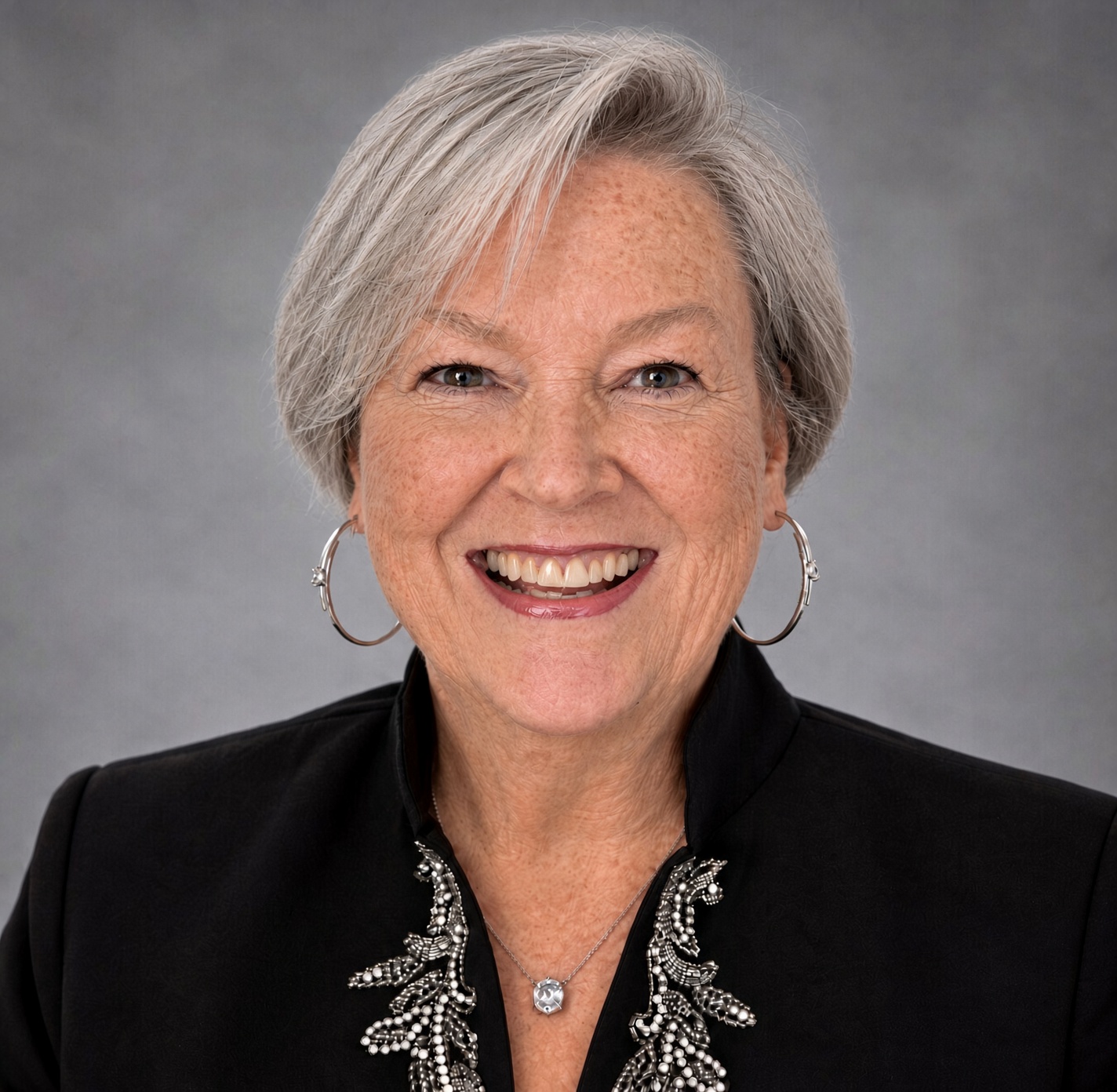
Yvonne M. Schmidt, CG®
Yvonne is founder, owner, and reseacher for TGG. She has an extensive education and background in Forensic, Genetic, and traditional genealogical research. She is a Board Certified Genealogist® and Investigative Genetic Genealogist.
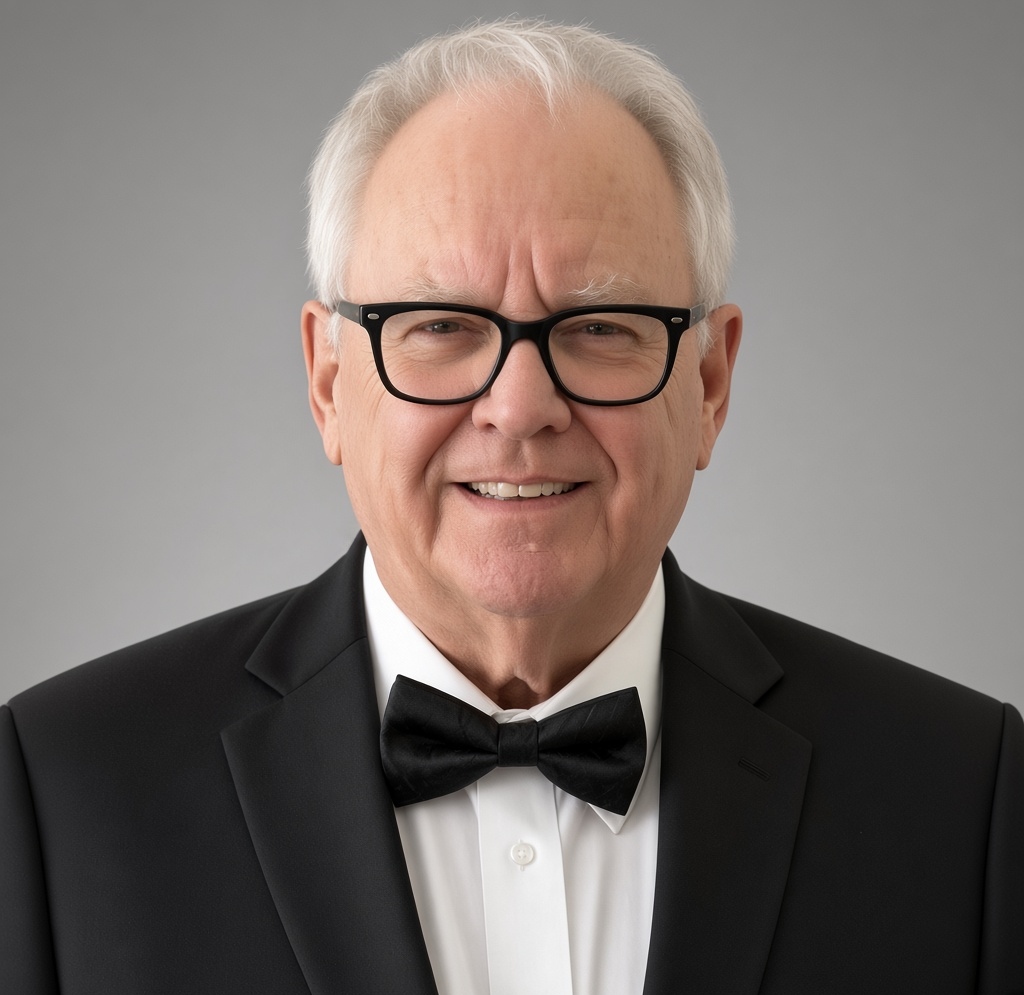
Rus Schmidt, M.Ed, ABD
Rus is a retired educator and administrator. He is an active volunteer and leader for the Coastal Georgia Council of Scouting in Savannah. He supports TGG management and researches Defense POW/MIA cases and provides project support for our team.
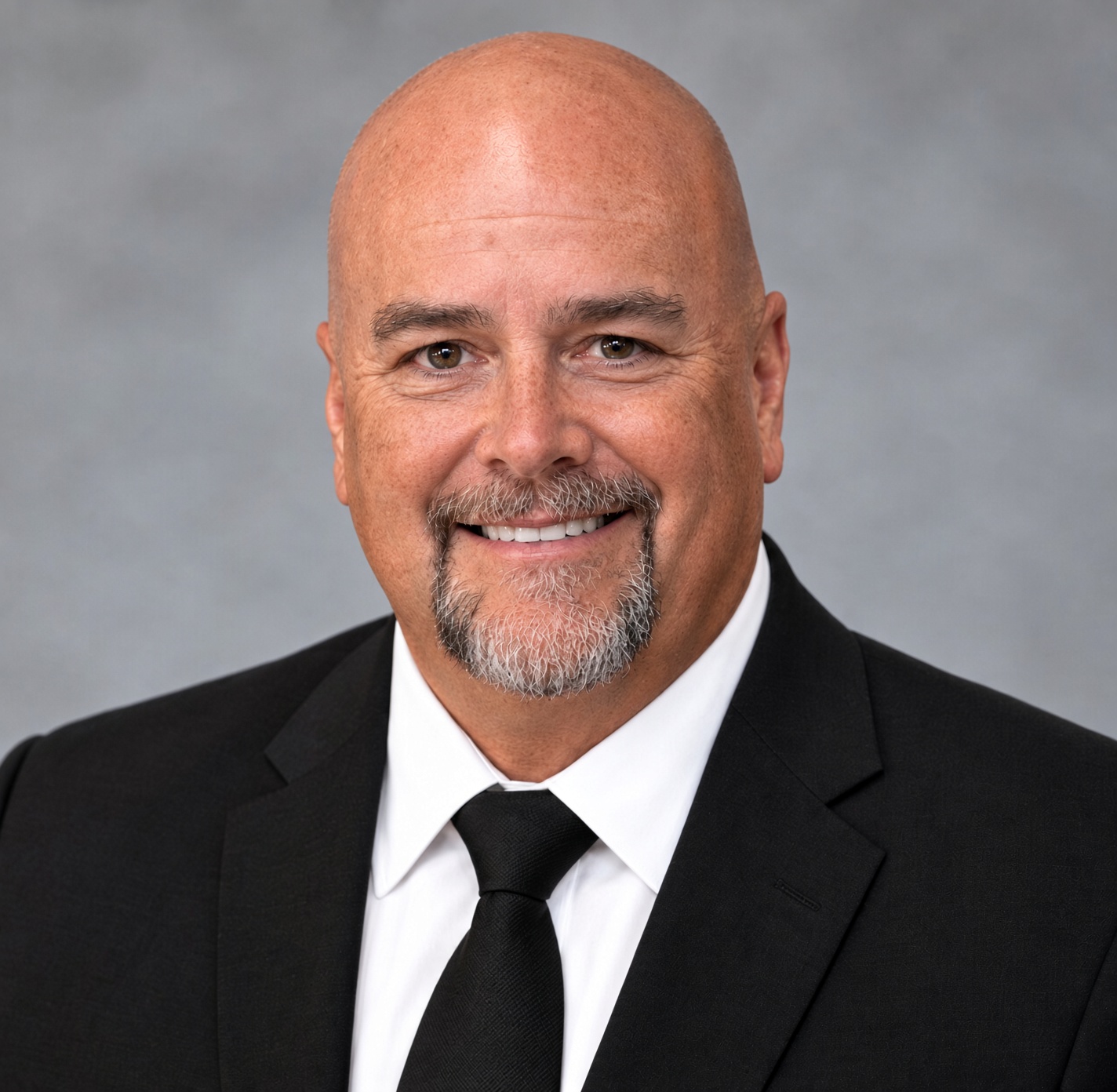
Bruce Mulkey, Ed.S.
Bruce is a retired Georgia educator and administrator. He is the VP of TGG and researches Defense POW/MIA and client cases. He supports TGG management by providing enhancement for company structure, training, efficiency, and client relations.

Tracy W. Mulkey, Ed.D.
Tracy is a full-time elementary educator and administrator. She researches Defense POW/MIA cases and helps manage reporting for both DoD and client cases.

Gwen Peterson
Gwen calls eastern Oregon home where she and her family are part of a 5th-generation family farm that produces onions, mint, and rotational crops. She researches Defense POW/MIA and client cases.
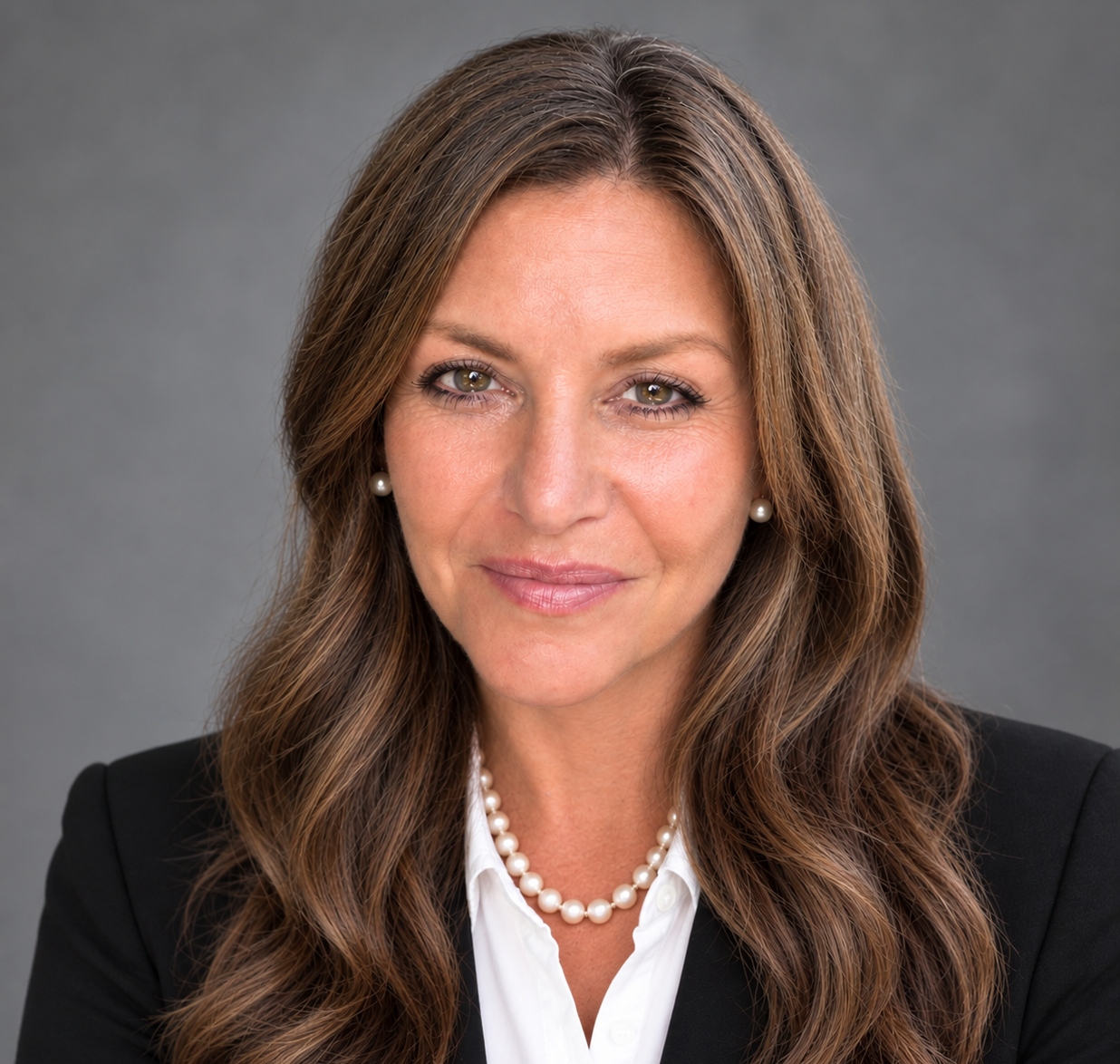
Heidi Taylor, B.S.
Heidi earned a bachelors degree from BYU in early childhood education and elementary education. She researches Defense POW/MIA cases and currently resides in Vidalia, GA with her family.
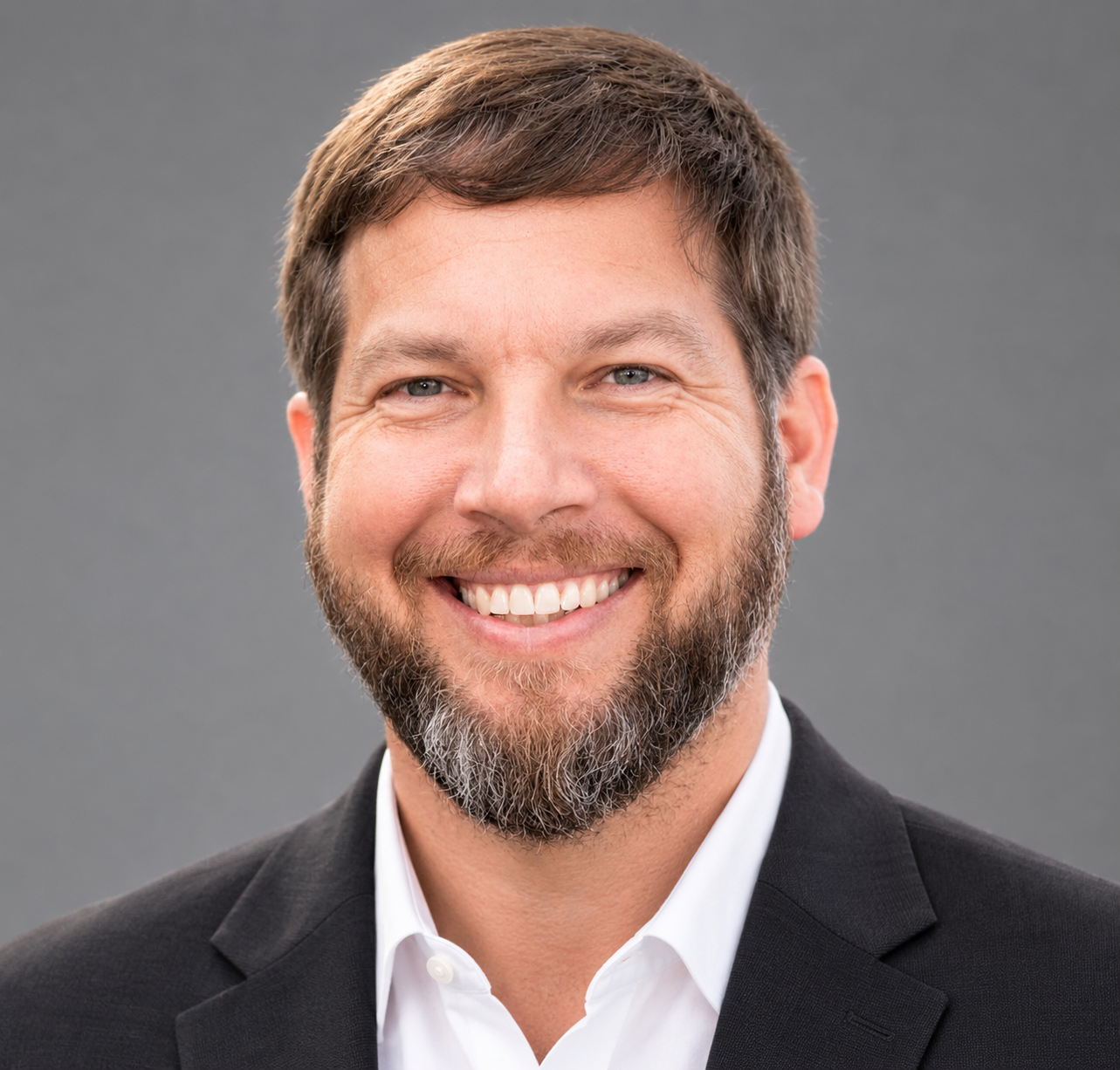
Mark C. O'Dell, M.A.
Mark is a retired U.S. Army Chief Warrant Officer. He earned his Master of Arts in Public History from Georgia Southern University and completed Boston University’s Certificate in Genealogical Research. He researches Defense POW/MIA cases and assists in researching client cases.
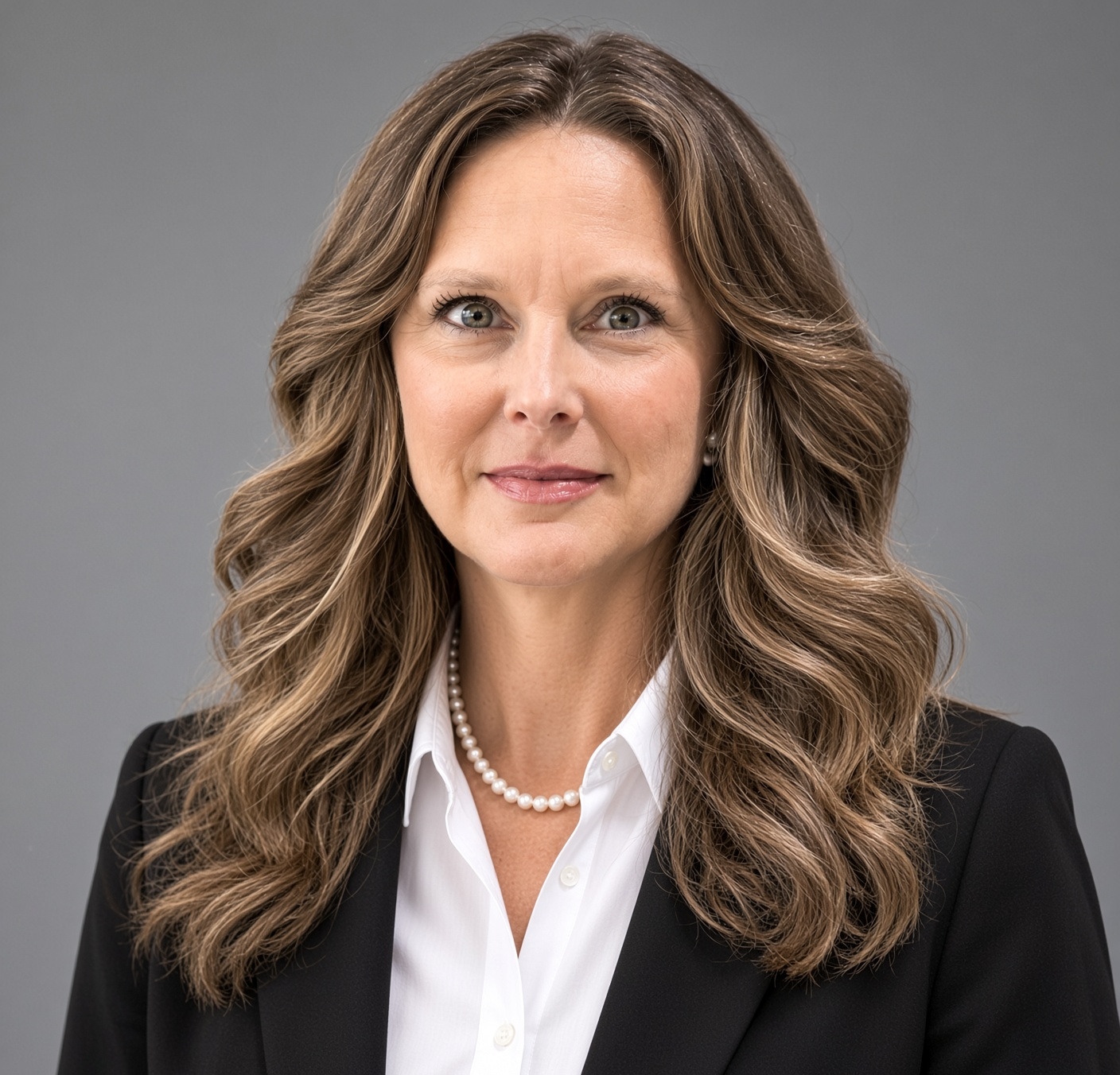
Tracy Porter
Tracy is a native Georgian and full time insurance administrator. She works part-time with TGG as a genealogist using her skilles to research Defense MIA/POW cases. She is passionate about stories surrounding her ancestors as well as those of our unidentified soldiers.
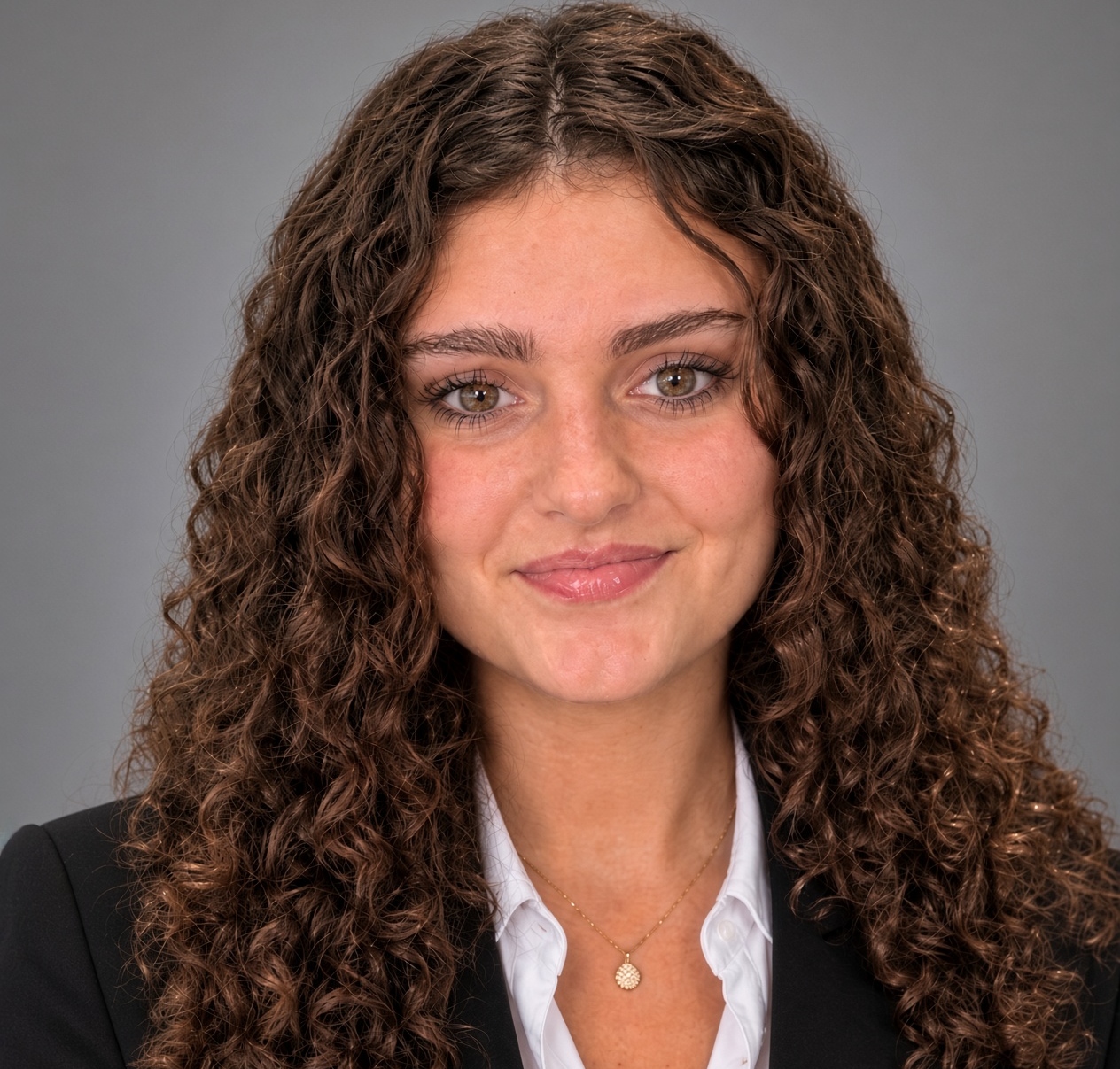
Allyson Salmon
Allyson currently resides in Central Virginia with her husband and is pursuing a degree in Secondary Education with a focus in Art Education. She works part-time with TGG researching Defense POW/MIA cases.
Credentials built for scrutiny
Professional genealogy rests squarely on sound method: research, analysis, and written findings guided by clear standards.
Certified Genealogist®, Board for Certification of Genealogists®


The Board for Certification of Genealogists® (BCG) exists to foster public confidence in genealogy by promoting competence, ethics, and uniform professional standards. Genealogists who earn the Certified Genealogist® credential have demonstrated the ability to meet the Genealogical Proof Standard and the Board’s ethical code through independent evaluation. Since its founding in 1964, BCG has served as one of the field’s clearest markers of serious, standards-based professional practice.
For our clients, this means confidence in the method behind our work. A board-certified genealogist employs a professional framework grounded in quality research, careful writing, documented sources, and ethical treatment of client information. Our clients can trust us to build conclusions on evidence, explain our reasoning clearly, and handle each project with rigor and care.
Certificate of Genealogical Research, Boston University
Boston University’s genealogy program builds strong skills in methods, evidence, historical records, and work-product writing. Its coursework emphasizes solving complex genealogical problems, applying logic and critical thinking, and developing research writing skills through case-based work.
That training strengthens the way we work. Our clients can trust us to conduct serious, disciplined research, work carefully through complex questions, and deliver reporting that is clear, organized, and useful.
Certificate in Investigative Genetic Genealogy, Ramapo College
The Investigative Genetic Genealogy (IGG) Center at Ramapo College focuses on the ethical and proficient use of investigative genetic genealogy. Its mission includes training students to become proficient and ethical IGG practitioners, alongside casework and field research.
For our clients, this adds another layer of confidence when DNA enters the picture. We treat DNA as a specialized tool, not a shortcut. Our role is to help decide when it belongs in the plan, how it can strengthen the work, and how to use it carefully while respecting privacy and ethical boundaries.
Service Benefits
The advantage of our approach

Professional and supportive
Family history can carry real weight. Our role is to bring steadiness, rigor, and respect to the work, then deliver findings in a comprehensive report built for clarity and practical use.
.png)
Precise research and court ready documentation for legal matters
Probate and legal projects call for work product built for scrutiny. We deliver clear findings supported by sourced records, shaped for the matter and the required filing needs.

Consistent communication and clear expectations
Prompt, courteous communication comes standard, plus a defined update schedule. Scope, timing, and fees get set up front, then reinforced through the project. Work stays transparent, and progress stays visible.

No surprises on scope or cost
New issues sometimes appear midstream. Work pauses for a consult before extra time or expense begins. Options and alternatives stay on the table when feasible, with cost impact stated plainly.

Discreet handling of sensitive details
Many projects involve people who are still living and private family facts. We handle sensitive details with care, discretion, and clear boundaries.

Transparent reasoning, clearly explained
Reports show how conclusions were reached and what evidence supports each key finding, conflicts included.
Standards behind the work
Get in touchA consistent proof standard keeps professional genealogy both honest and useful. We adhere to the Genealogical Proof Standard, which comprises five elements of practice.

Thorough research
Full source citations
Analysis and correlation
Resolution of conflicting data
A soundly argued conclusion
Our work supports Georgia court and agency needs, including cases involving historic or abandoned burial sites.
FAQ
We’re here to help
What does “Certified Genealogist®” mean in practical terms?
The CG® credential signals a professional proof and ethics bar. Sources get verified and cited, findings stay limited to what evidence supports, and uncertainty gets labeled clearly. Scope, timing, and fees get set up front, progress updates stay regular, and private details stay protected.
Do you work with both attorneys and private clients?
Yes. Legal matters often need court-ready work product. Family projects focus on source-based findings in a report, plus practical next steps.
Do projects cover more than Georgia?
Yes, when family lines cross state borders. Georgia and the Deep South remain core strengths.
How do we get started?
Start with the Contact Form. It collects the details needed for a useful first follow-up conversation: goals, timing, known facts, and open questions.
Get in touchMove from uncertainty to evidence.
Use the Contact Form to share the details needed for a productive first follow-up conversation—what is already known, what remains uncertain, and what answers matter most.
Move from uncertainty to evidence.
Use the Contact Form to share the details needed for a productive first follow-up conversation—what is already known, what remains uncertain, and what answers matter most.